
Smoking & Nicotine Options
Understanding the Risks of Smoking
Why Smoking Causes Harm
Many people associate the health risks of smoking with tobacco or nicotine.
In reality, cigarette smoke is a complex mixture of chemicals created when tobacco burns.
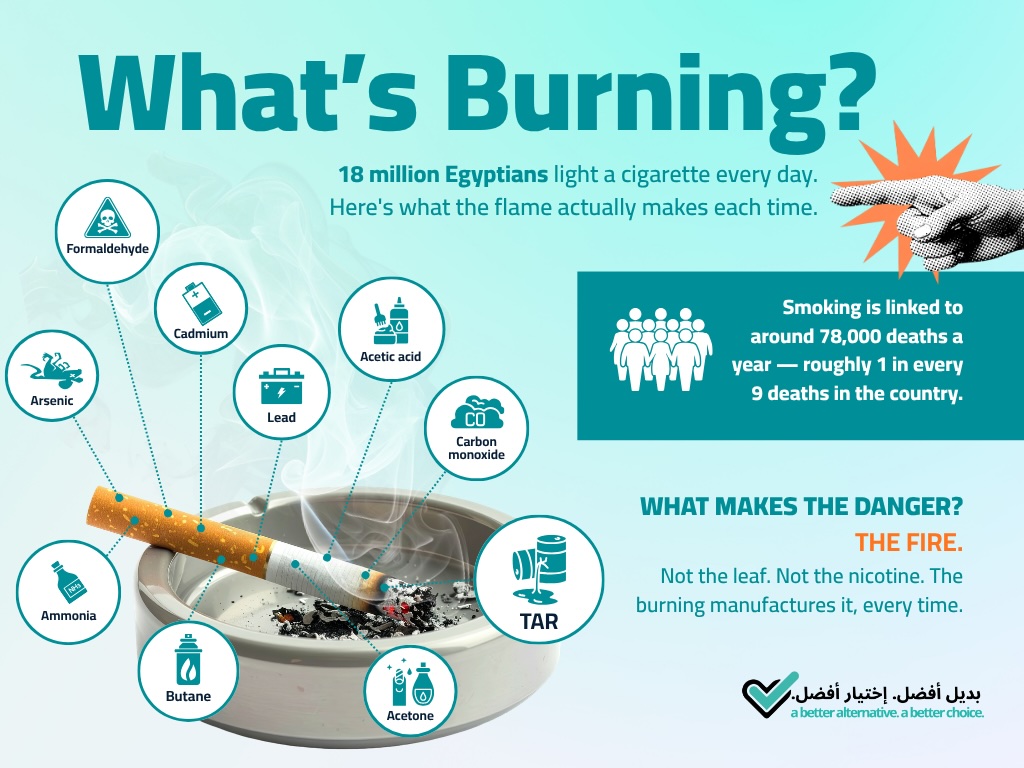
When a cigarette is lit, the burning process produces thousands of chemicals.
Many of these substances are harmful, and some are known to increase the risk of cancer, heart disease, respiratory disease, and other serious health conditions.
Understanding how smoking causes harm can help people make informed decisions about their health.
Chemicals Worth Knowing About
Some of the most well-known harmful substances found in cigarette smoke include:
Tar. A sticky residue created during combustion. Tar contains many harmful chemicals and contributes significantly to smoking-related disease.
Carbon Monoxide. A poisonous gas produced when materials don't burn completely.
Cancer-Causing Chemicals (Carcinogens). Cigarette smoke contains carcinogens such as benzene, formaldehyde, and certain heavy metals. Long-term exposure increases the risk of several types of cancer.
These substances do not only affect the lungs. Once absorbed into the bloodstream, they can affect many organs throughout the body.
Second-Hand Smoke Matters Too
The effects of smoking are not limited to the person who smokes.
When a cigarette burns, smoke is released into the surrounding air.
People nearby can breathe in many of the same harmful substances, even if they do not smoke themselves.
Research has shown that exposure to second-hand smoke increases the risk of several health problems, including heart disease, respiratory illness, and lung cancer.
Reducing exposure to cigarette smoke benefits both smokers and the people around them.
Why Understanding Combustion Matters
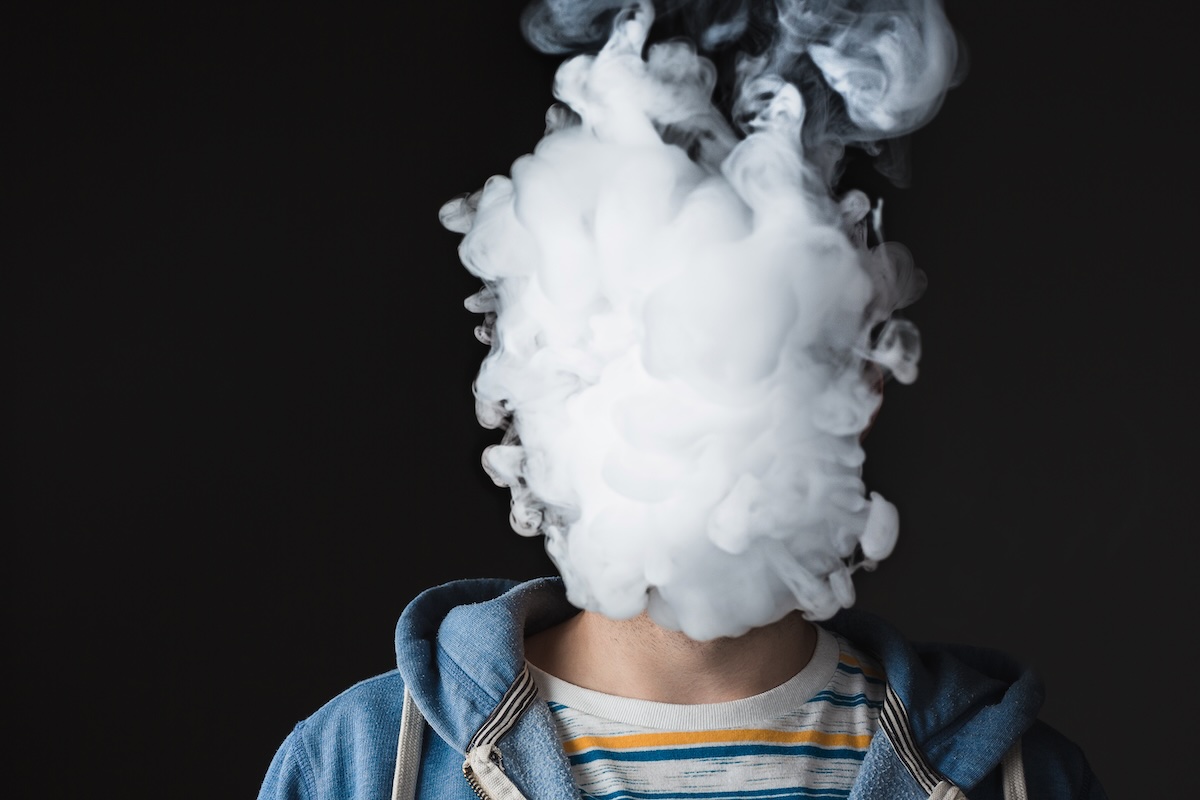
One of the most important concepts in tobacco harm is combustion, the process of burning.
When tobacco burns, high temperatures create many harmful chemicals found in cigarette smoke.
This is one reason cigarettes and other combustible tobacco products are associated with significant health risks.
Understanding the role of combustion helps explain why different nicotine products may expose users to different levels of harmful chemicals. However, lower exposure does not necessarily mean no risk.
What Helps
The Best Outcome: Stop Smoking and Nicotine Use
The greatest health benefit comes from avoiding tobacco and nicotine products altogether.
For people who smoke, quitting smoking significantly reduces the risk of heart disease, cancer, stroke, and lung disease. Health benefits begin soon after quitting and continue to increase over time.
Importantly, it is never too late to stop. Quitting at any age can improve health and reduce future risks.
Quitting Can Be Difficult
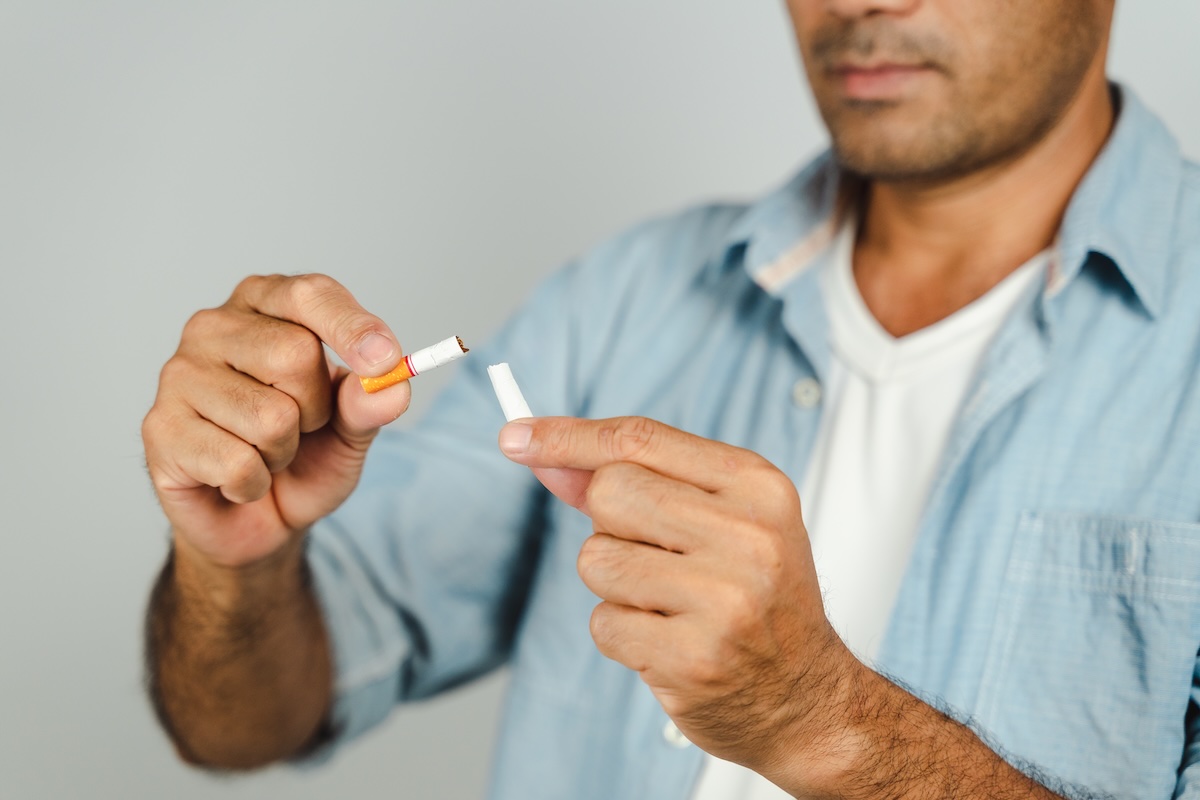
Many smokers try several times before quitting successfully.
This is normal. Nicotine dependence is a recognized addiction, and overcoming it often requires planning, support, and multiple attempts.
A previous unsuccessful quit attempt should not be viewed as failure. Many people learn from earlier attempts and use those experiences to quit successfully later.

Support That Can Help
Research consistently shows that support improves the likelihood of quitting successfully. Options include:
Egypt’s National Quitline (16805). A free telephone service that provides support and information for people trying to quit smoking.
Smoking Cessation Clinics. Smoking cessation services are available through public healthcare facilities and specialized clinics.
Counselling and Behavioral Support. Professional support can help people manage cravings, triggers, and behavioral habits linked to smoking.
Nicotine Replacement Therapy (NRT). Products such as nicotine gum, nicotine patches, and nicotine lozenges. These products can help manage nicotine withdrawal symptoms while individuals work towards quitting smoking.
Prescription Medicines. Certain medications may help people quit smoking. These options should be discussed with a healthcare professional.
Combining Methods. Using behavioral support alongside medication or nicotine replacement therapy is often more effective than using a single approach alone.
Understanding All the Available Options
There is no single approach that works for every adult smoker. While many people successfully quit with support, counselling, medicines, or nicotine replacement therapy, others may explore alternative ways to move away from cigarettes.
For people who smoke, alternative tobacco and nicotine products are another option that is increasingly discussed in public health and scientific research.
Understanding how these products work, and how they differ from cigarettes, is an important part of understanding the full range of options available to adult smokers.
Understanding Smoke-Free Nicotine Products
Some adults who are unable or unwilling to quit smoking may consider smoke-free nicotine products.
What are smoke-free nicotine products?
You’ve probably come across them before. These include devices that heat a liquid, devices that heat tobacco without burning it, and nicotine pouches that contain nicotine but have no tobacco leaf.
While they differ in how they work, they have one thing in common: nothing is burning.
Because there is no combustion, there is no smoke, no tar, and no carbon monoxide produced by burning tobacco.
Nicotine pouches
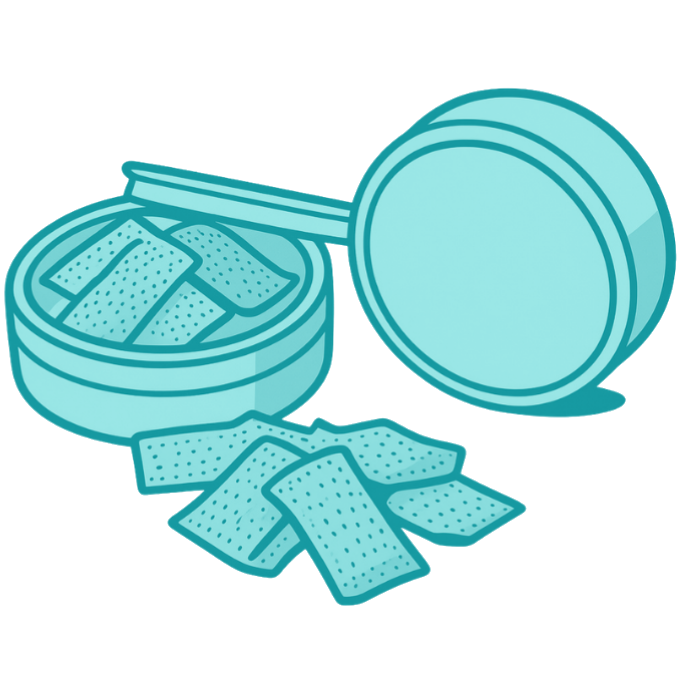
What it is: Small pouches containing nicotine (no tobacco leaf) that are placed between the gum and lip.
What’s different: Nothing is inhaled and nothing is burned.
What the evidence says: Studies analyzing the chemical composition of nicotine pouches have found substantially fewer harmful compounds compared with cigarette smoke. Reviews of the evidence place nicotine pouches at the lower end of the spectrum for toxicant exposure (Frontiers in Public Health). In one analysis of 24 to 26 compounds, most were not detected in nicotine pouches at all. The researchers concluded that exposure was more comparable to nicotine gum and nicotine patches than to cigarettes.
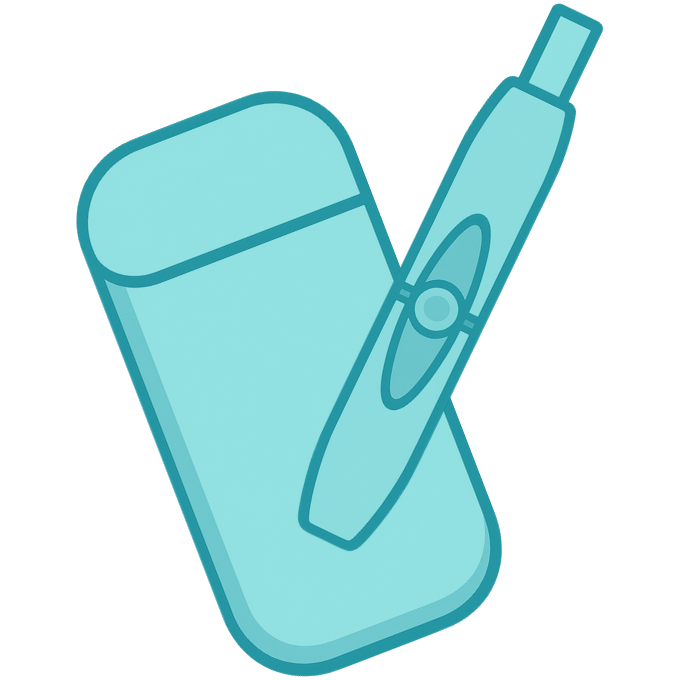
Heated tobacco
What it is: Devices that heat tobacco without burning it.
What’s different: Nothing is burned.
What the evidence says: Products that do not involve combustion generally expose users to fewer harmful chemicals than cigarette smoke.
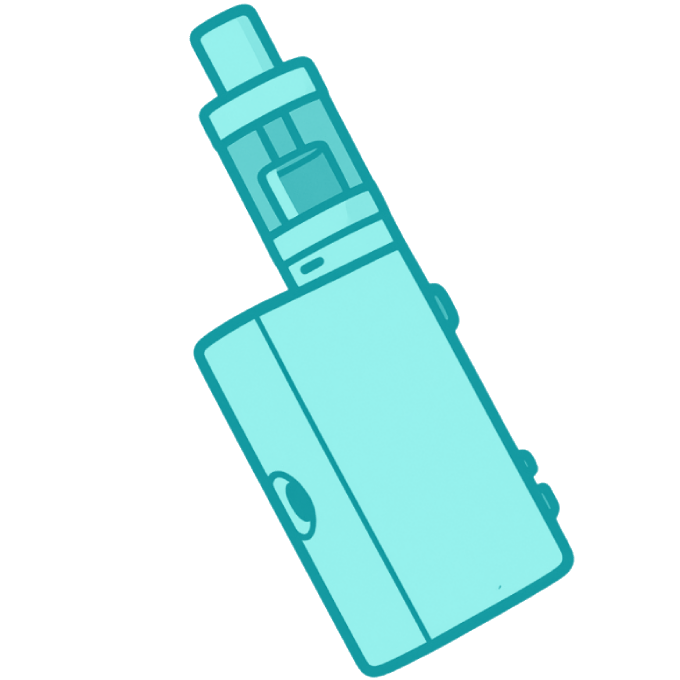
E-cigarettes and vapes
What it is: Devices that heat a liquid to create an aerosol for inhalation.
What’s different: Nothing is burned and no tobacco leaf is involved.
What the evidence says: The most comprehensive review to date found that people using nicotine e-cigarettes were more likely to quit smoking than those using nicotine patches or gums..
Understanding the Spectrum of Risk
People often talk about nicotine and smoking as if there are only two options: keep smoking or quit completely.
The evidence paints a more nuanced picture. Different products expose users to different levels of risk.
Best: Not using tobacco and nicotine products at all. If you do not currently use tobacco and nicotine products, do not start.
Lower risk than smoking: Smoke-free nicotine products. These products may reduce exposure to some harmful chemicals associated with smoking, but they are not risk-free and remain addictive.
Highest risk: Products that involve burning tobacco, including cigarettes and waterpipes.
Understanding these differences can help adults make informed decisions about their health. While researchers continue to study some products, the evidence consistently shows that eliminating combustion significantly reduces exposure to many of the harmful chemicals found in cigarette smoke.
Important Things to Know
The information on this page is for educational purposes only and is not a substitute for medical advice. Speak with a healthcare professional about your personal situation.
These products are intended for adults aged 18 and over only.
If you do not currently use nicotine, this information is not intended to encourage you to start.
Smoke-free nicotine products are regulated and legally sold in Egypt for adults aged 18 and over.
Always purchase products from licensed and reputable sellers. Unregulated products may pose additional health and safety risks.