
Food, Nutrition & Microplastics
The Problem
Eating well isn’t always the difficult part
Most people already know the basics of healthy eating.
The challenge often comes at the end of a busy day, when you’re tired, short on time, and don’t have a meal planned.
In those moments, convenience usually wins over good intentions.
Healthy eating is not just about willpower. It’s also about having simple, realistic options available when life gets busy.
Confused about what’s in your food?
If you’ve searched for information about microplastics, you’ve probably come across conflicting advice.
Some sources make it sound like an urgent health crisis. Others say there’s nothing to worry about. For many people, it’s difficult to know what to believe.
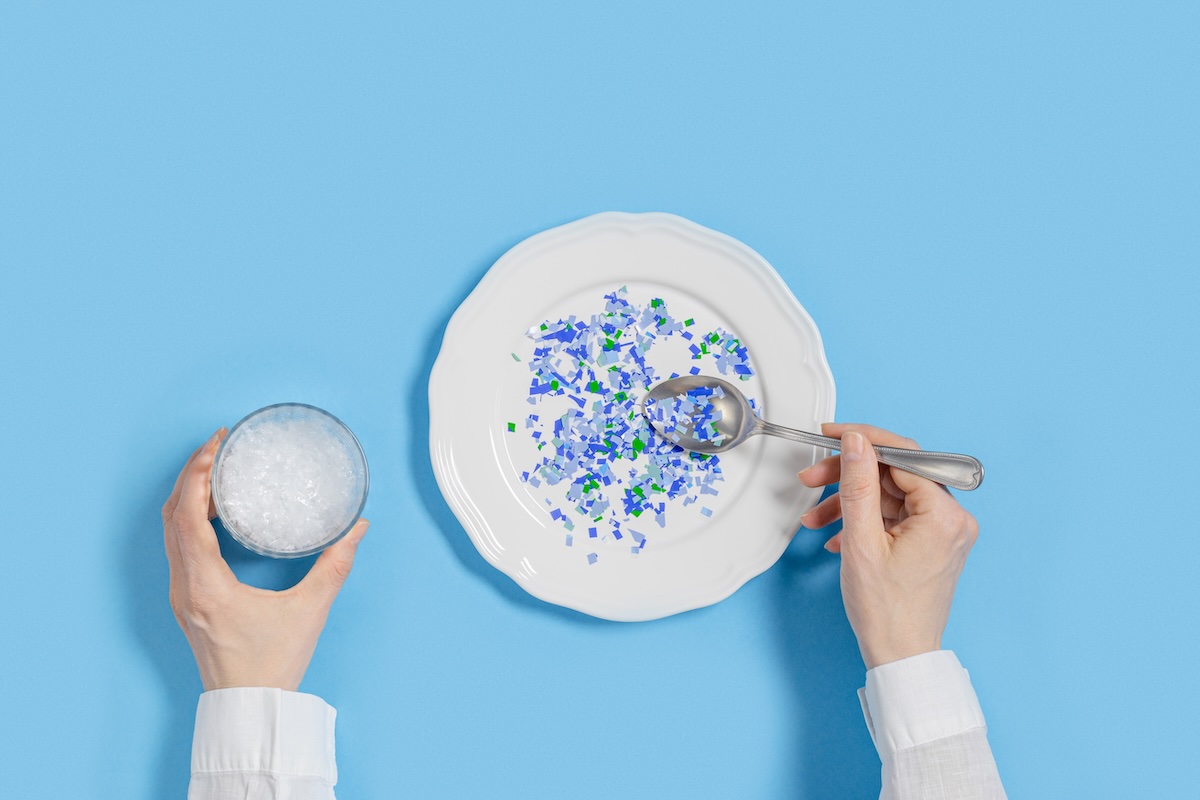
The reality is that scientists are still studying the long-term effects of microplastics on human health. We don’t yet have all the answers. What we do know is that there are a few simple steps you can take to reduce unnecessary exposure while the research continues.
What Helps
Food: Focus on What to Add
What the Science Says
Research published in The Lancet, based on decades of data, has linked higher fibre intake (25–30g per day) with lower risks of heart disease, type 2 diabetes, stroke, and colorectal cancer.
Aim for Five Portions a Day
The World Health Organization recommends around 400g of fruit and vegetables per day, which is equal to five portions of 80g.
What Does One Portion Look Like?
One portion (80g) could be: 1 apple, 1 banana, 2 handfuls of salad, and 3 heaped tablespoons of cooked vegetables.
Foods that count: Fresh fruit and vegetables, frozen or canned fruit and vegetables (without added sugar or salt), beans and lentils, whole grains, and nuts and seeds.
Foods that don’t count toward your five portions: Potatoes and other starchy root vegetables.
Simple Habits That Can Help
-
Add, don’t just remove. Try including vegetables with meals you already enjoy.
-
Make fruit your easy options. Keep fruit or raw vegetables within easy reach for snacks.
-
Plan ahead. Decide a few meals for the week before you’re hungry and tired.
-
Start small. Focus on improving one meal at a time. Breakfast is often the easiest place to begin.
Reducing Exposure to Microplastics
What the Science Says
Microplastics have been found in food, drinking water, air, salt, and even human tissue.
Scientists are still working to understand exactly what their impact on human health may be.
However, organizations such as the World Health Organization recommend taking practical steps to reduce exposure where possible.
Why Heat Matters
Heat can increase the release of tiny plastic particles into food and drinks.
The good news is that reducing exposure often requires little effort and no extra cost.
Simple Ways to Reduce Exposure
-
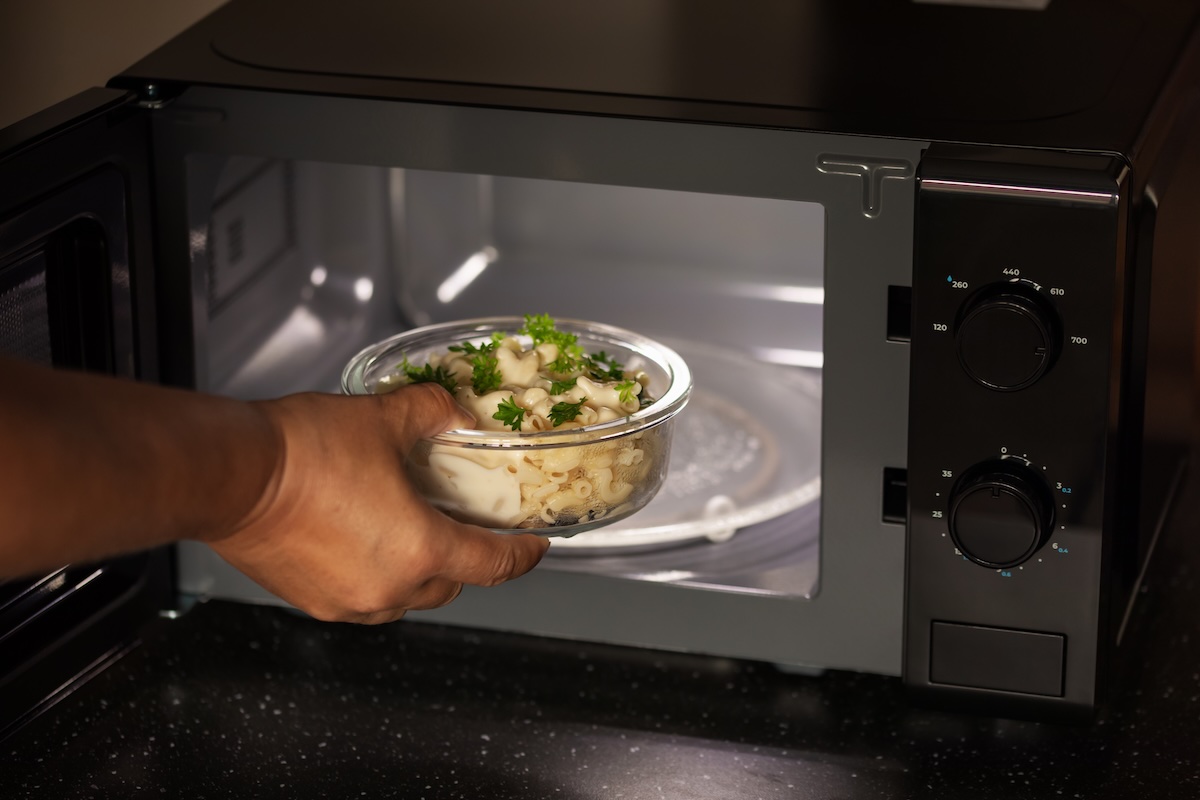
Use glass or ceramic when heating food. Move food to a glass or ceramic container before microwaving.
-
Be careful with hot foods in plastic containers. Allow hot food to cool slightly before storing it in plastic.
-
Avoid storing oily or acidic foods in plastic for long periods. These foods may interact more easily with plastic materials.
-
Choose glass, ceramic, or stainless steel for long-term storage. Plastic is generally better suited to shorter-term storage.
-
Use sturdy containers. Rigid plastic containers are generally preferable to thin or flexible plastic packaging.
-
Protect plastic water bottles from heat. Avoid leaving bottles in direct sunlight or inside hot vehicles.