
Sleep & Stress Management
The Challenge
Feeling Tired Even After Sleeping?
Many people feel exhausted even after getting what seems like enough sleep.
You go to bed, wake up, and still feel tired. It is easy to assume the solution is simply getting more hours of sleep.
But sleep is not only about how long you sleep. The quality of your sleep, your daily habits, and your sleep schedule all affect how rested you feel.
Sometimes, persistent fatigue has less to do with sleep itself and more to do with stress, workload, lifestyle, or underlying health conditions.
Understanding the cause is the first step toward feeling better.
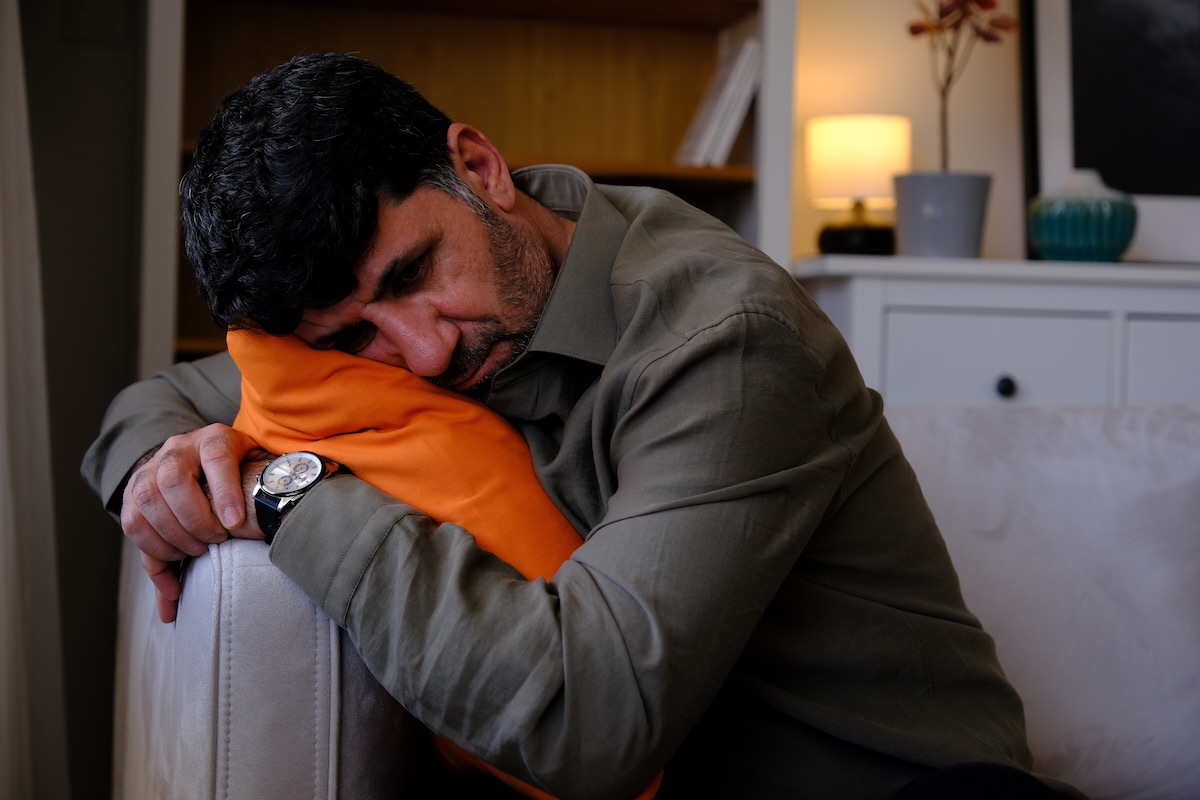
When Stress Starts to Take a Toll
Stress is a normal part of life. But when pressure becomes constant, it can affect your energy, concentration, sleep, and overall wellbeing.
Many people blame themselves when they feel overwhelmed. They try to be more productive, more disciplined, or more resilient.
While healthy routines can help, ongoing exhaustion is not always a personal failing.
In many cases, factors such as workload, lack of support, financial pressures, or life circumstances play an important role.
If you’re feeling exhausted, the solution may not be to work harder. It may be to better understand what is contributing to the stress in the first place.
What Helps
Sleep: Focus on Consistency First
What the Science Says
Most adults need at least 7 hours of sleep per night.
Research shows that regularly sleeping less than 7 hours or more than 9 hours is associated with an increased risk of several health conditions, including heart disease, high blood pressure, stroke, and type 2 diabetes.
However, sleep quality and consistency matter just as much as sleep duration.
Simply spending more time in bed does not always improve sleep.
Practical Steps
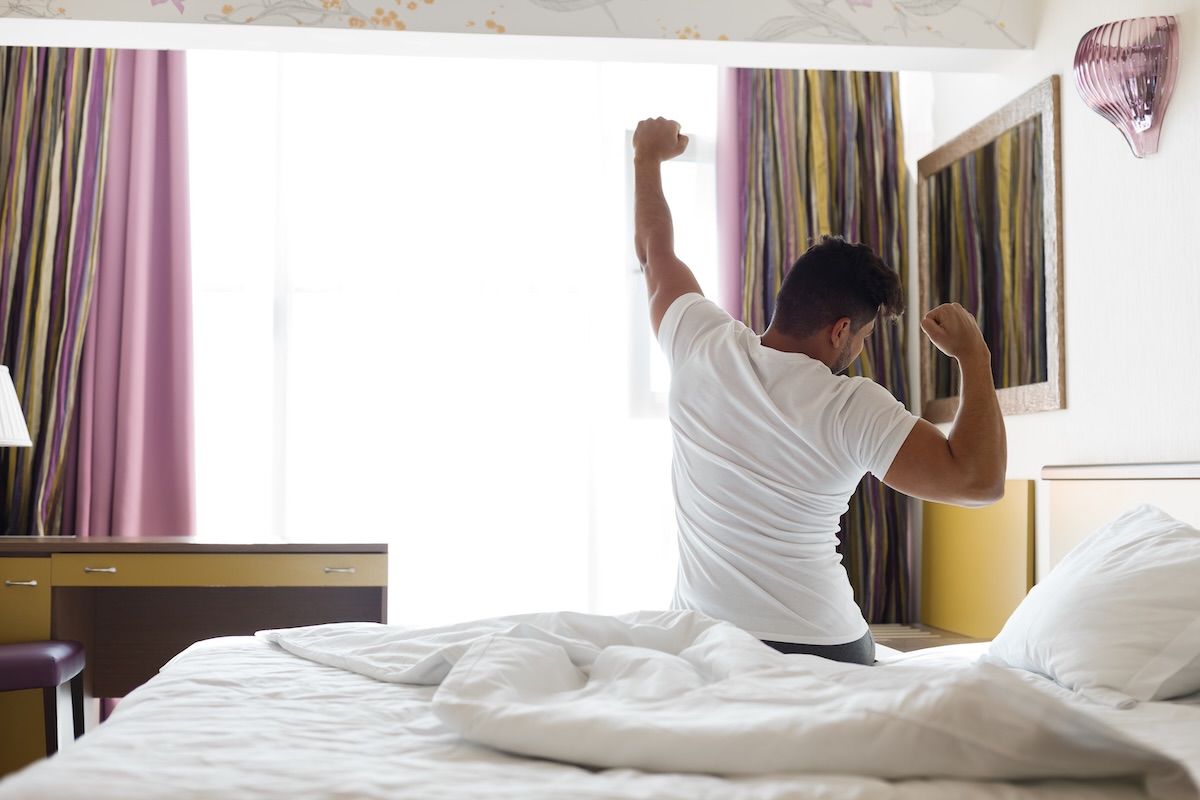
Keep a Consistent Wake-Up Time
Wake up at the same time every day, including weekends whenever possible. A regular wake-up schedule helps regulate your body’s internal clock and often improves sleep quality more effectively than constantly adjusting bedtime.
Try the 20-Minute Rule
Go to bed when you feel sleepy rather than forcing yourself to sleep. If you are still awake after about 20 minutes, get out of bed and do a relaxing activity in low light. Return to bed when you feel sleepy again.
Daily Habits That Support Better Sleep
Limit screen use at least 30 minutes before bedtime.
Reduce bright light exposure in the evening.
Avoid caffeine later in the day.
Avoid large meals close to bedtime.
Keep your bedroom cool, dark, and quiet.
Try not to rely on weekend catch-up sleep to make up for regular sleep loss.
When to Speak With a Doctor
Consider seeking medical advice if you:
Snore heavily.
Wake up gasping or choking.
Feel persistently exhausted despite getting enough sleep.
Struggle with daytime sleepiness that affects daily activities.
These may be signs of a treatable sleep disorder.
Stress: Look Beyond Yourself
What the Science Says
The World Health Organization recognizes burnout as an occupational phenomenon linked to chronic workplace stress that has not been successfully managed.
Burnout is commonly associated with:
Persistent exhaustion.
Reduced motivation.
Increased mental distance from work.
Difficulty concentrating.
Importantly, burnout is not considered a sign of weakness or lack of effort.

Check for Sources of Ongoing Stress
Stress often becomes harder to manage when there is a mismatch between demands and available support.
Consider the following areas:
Workload. Are the demands placed on you realistic for the time, resources, and support available?
Control. Do you have enough influence over how your work is planned and completed?
Recognition. Is your effort acknowledged and fairly rewarded?
Relationships. Do you feel supported by colleagues, friends, or family?
Fairness. Are expectations, opportunities, and responsibilities applied consistently?
Values. Do your daily responsibilities align with what matters most to you?
Practical Steps
Address What Is Causing the Stress
Where possible, focus on identifying and addressing the sources of stress rather than only managing the symptoms.
Examples include:
Clarifying expectations.
Discussing workload concerns.
Seeking additional support.
Improving boundaries between work and personal life.
Use Personal Stress-Management Tools
Self-care strategies can help reduce stress and improve resilience, including:
Regular physical activity.
Mindfulness or breathing exercises.
Talking with trusted friends or family.
Coaching or counselling.
Taking regular breaks and recovery time.
These approaches are most effective when combined with efforts to address the underlying causes of stress.
A Note About Anxiety
While stress and anxiety can feel similar, they are not the same thing.
Anxiety is a medical condition that can affect thoughts, emotions, sleep, relationships, and daily functioning.
If worry feels overwhelming, persists for long periods, or interferes with everyday life, speaking with a healthcare professional can help.